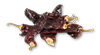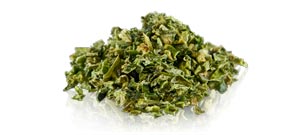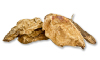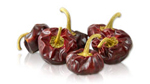
Chile Heat Scale
Given that there’s now a wide selection of options in our new Dried Bulk Chilies section, we thought it would be a good time to list each chili in terms of its heat level and flavor to help you decide between them.
Chile Heat Scale:
From mildest to hottest, with additional commonly found peppers added for comparison.
Pepper Flavor Profile Scoville Heat Level
Bell Pepper 0
Pepperoncini 100-500
Aji Panca Chilies (mild and fruity, poblano-esque) 500-1,000
Red Anaheim Chilies (sweet, fresh form of New Mexico Chilies) 500-1,500
Poblano 500-2,500
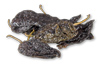
Ancho Chilies (dried poblanos) 1,000-1,500
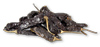
Pasilla Negro Chilies (good in moles) 1,000-2,000
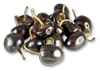
Cascabel Chilies (round, with seeds that rattle) 1,500-3,000
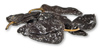
Mulato Chilies (chocolate/licorice-like flavor) 2,500-3,000
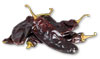
Guajillo Chilies (mild flavor, some heat) 2,500-5,000
Jalapeño 2,500-8,000
Puya Chilies (similar flavor to Guajillo, more spice) 5,000-8,000
Yellow Caribe Chilies (fresh chilies, great baked or in soups) 5,000-15,000
New Mexico Chilies (dried red Anaheim peppers) 8,000-12,000
Smoked Serrano Chilies (savory, not fruity heat) 10,000-20,000
Chipotle Chilies (smoked, dried Jalapeño) 10,000-50,000
De Arbol Chilies (similar to cayenne) 15,000-30,000
Japones Chilies (medium-strength asian chile) 15,000-35,000
Aji Amarillo Chilies (essential in Peruvian food) 30,000-50,000
Pequin Chilies (spicy, hint of citrus, sweetness) 30,000-60,000
Tepin Chilies (powerful but brief heat) 40,000-70,000
Aji Limo Rojo Chilies (organic, slightly sweet, crisp) 50,000-60,000
Thai Chilies (used in Thai, Chinese cooking) 50,000-100,000
Aji Cereza Chilies (organic, milder substitute for Habaneros) 70,000-80,000
Habanero Chilies (very hot, fruity/floral flavor) 100,000-350,000
Scotch Bonnet Chilies (similar heat to Habanero, different flavor) 150,000-325,000
Ghost Chilies (hottest in the world) 855,000-1050,000
What is Capsaicin?
Capsaicin is the naturally occurring molecule in chili peppers (likely evolved to deter mammals from eating them) that causes a burning sensation when it comes into contact with any tissue. Recent biological studies have demonstrated that it also actually activates heat receptors in the human mouth (just as menthol activates cold receptors).
Too Hot?
One of the easiest ways to tone down a chile pepper is by removing the seeds and inner ribs. This will significantly decrease the total capsaicin level of the pepper.
The Scoville Scale:
The Scoville heat scale (developed in 1912) is the oldest and most commonly referenced method of measuring pepper heat. The testing method is actually pretty simple: a panel of five or more judges is subjected to a taste test featuring the paste form of each pepper that has been diluted with sugar syrup. The degree of dilution required for the judges not to detect any capsaicin in the mixture determines each pepper’s rating on the scale. Despite its inherent subjectivity, this scale is still a useful way of ranking peppers relative to other peppers.
Organic Dried Chile Options:
In addition to our Organic Aji Limo Rojo Chilies and Organic Aji Cereza Chilies, we now offer an organic choice for some other varieties: Organic Aji Panca Chilies, Organic Chipotle Chilies, Organic New Mexico Chilies, and Organic Aji Amarillo Chilies.
Still Can’t Decide?
Buy our dried chile pepper sampler and try out nine different chile varieties in a single box!
For some great dried chili tricks, please read How to Make Your Own Chili Oil, How to Make Chile Pastes, Make Your Own Chile Powder, and Rehydrating Dried Chilies.


Hi Justin,
Here is a link to the Gather article about your chili and ghost peppers. We had a lot of fun talking about your peppers.
http://www.gather.com/viewArticle.jsp?memberId=192501&articleId=281474977601064&nav=MyGather
March 12th, 2009 at 9:07 pmI am desperately looking for fresh or frozen aji armarillo peppers, any leads? Thank you
April 4th, 2009 at 9:02 amI’m afraid at this time we only have access to dried aji amarillo peppers. Sorry!
-Matthew
April 6th, 2009 at 9:19 am